h-BN vs. MoS₂ and PTFE: The Next Generation of Lubrication Technology
Posted on03/28/2025
by
5w30.lt
Love0
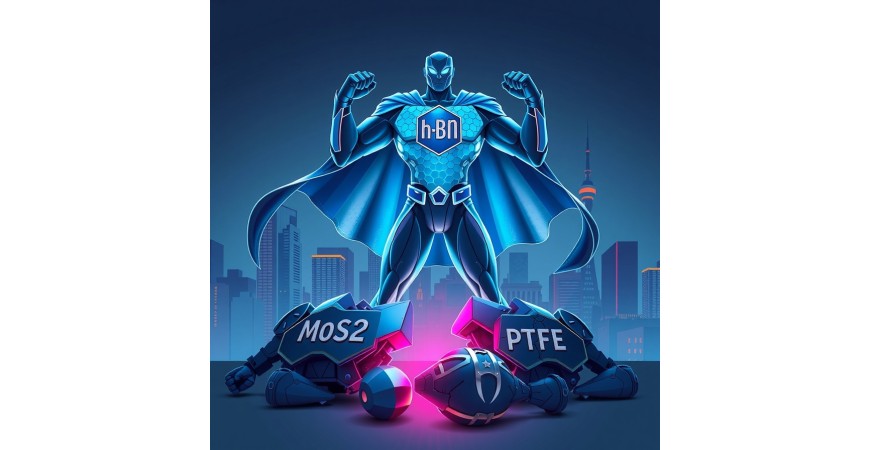
Lubrication technologies are constantly evolving, and new materials are replacing older ones to offer superior performance. One such revolutionary material is hexagonal boron nitride (h-BN), which is becoming increasingly popular in high-performance engine oils. How does it surpass traditional solid lubricants like molybdenum disulfide (MoS₂) and polytetrafluoroethylene (PTFE, commonly known as Teflon)?
1. Superior Thermal Stability
Solid lubricants used in engine oils must withstand high temperatures, but not all materials perform equally well under extreme heat.
- h-BN remains stable up to 1000°C, meaning it retains its protective properties even under extreme operating conditions.
- MoS₂ oxidizes and loses its lubricating efficiency at temperatures starting around 400°C.
- PTFE begins to degrade at approximately 260°C, releasing harmful gases.
2. Better Chemical Stability and Durability
In engine oil, it is essential that lubricating additives do not degrade over time or cause negative side effects on engine components.
- h-BN is chemically inert, does not break down, and does not form harmful deposits.
- MoS₂ can react with engine components, forming sulfur compounds that may lead to corrosion.
- PTFE tends to agglomerate, which can clog oil filters and other narrow passages in the system.
3. More Efficient Lubricating Properties
The lower the friction between engine components, the less energy is wasted, resulting in longer engine life.
- h-BN forms an extremely strong and continuous lubricating film that effectively reduces friction even in extreme conditions.
- MoS₂ is an excellent lubricant, but it can accumulate as sludge, reducing its effectiveness over time.
- PTFE acts as a "soft" lubricant, but its performance heavily depends on particle size and oil formulation.
4. Superior Thermal Conductivity
Heat is one of the biggest enemies of an engine, making it crucial for oil additives to help dissipate it effectively.
- h-BN features excellent thermal conductivity, helping to cool engine components more effectively.
- MoS₂ and PTFE have lower thermal conductivity, which can lead to localized "hot spots" that accelerate engine wear.
Conclusion
Hexagonal boron nitride (h-BN) represents a more modern and superior technology compared to MoS₂ or PTFE. Its higher thermal and chemical stability, outstanding lubricating properties, and efficient heat dissipation ensure long-term engine protection and increased efficiency.
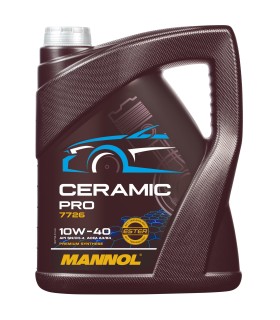
If you are looking for maximum engine protection and performance, Mannol Ceramic technology is the ultimate choice.